Most people who say they want to do a roadtrip around Australia are describing a feeling rather than a route. The feeling is fine. The route is where the trip either works or turns into a series of long days in a hot vehicle, arriving after dark, eating something out of a can.
This is not a list of places. It is the sequence of decisions that determines whether the places are enjoyable when you get there.
Decide the shape before the destinations
There are three shapes, and they behave differently.
A loop starts and ends at the same depot. It is the cheapest option because there is no one-way fee, and it forces you to plan a route that returns, which usually means a tighter, better trip. Most two to four week holidays should be a loop.
A coast run is one-way: Sydney to Brisbane, Melbourne to Adelaide, Perth to Broome. You pay a relocation fee, you do not retrace anything, and you get more new ground per day. This is the best value for a fixed number of days.
A crossing is the big one — west to east, or north to south through the middle. It is mostly driving, and the driving is the point. Do not attempt a crossing if what you actually want is beaches.
Pick one of the three. Trips that try to be all of them fail at the third week.
| Shape | What it is | What it costs you | Suits |
|---|---|---|---|
| Loop | Starts and ends at the same depot | No one-way fee, but you drive some ground twice | Most two to four week holidays |
| Coast run | One-way between two cities, e.g. Sydney to Brisbane | A relocation fee, but nothing is retraced | A fixed number of days |
| Crossing | West to east, or north to south through the middle | Mostly driving days | Trips where the driving is the point |
The season picks your route, not the other way around
The north of Australia has a wet season and a dry season, and they are not variations on a theme. In the wet, roads close, creek crossings become dangerous, and the heat and humidity are genuinely hard on people sleeping in vehicles. In the dry, the same country is the best driving in the country.
The south is the reverse: summer is fire season and school holidays, winter is cold nights and clear days.
The practical rule is to follow the dry season around the country rather than fight it. If your dates are fixed, choose the region that suits them instead of insisting on the region you had in mind.
The vehicle has to match the roads, not the photos
Three questions decide this, and none of them are about how the van looks.
Sealed or unsealed? A standard campervan handles gravel roads to a campsite. It does not handle corrugations for hours, sand, or water crossings. If your route includes the Gibb River Road, the Mereenie Loop, station tracks or beach driving, you need a four-wheel drive and you need to check that the rental agreement covers those roads.
How many people, for how many nights? A van that sleeps two comfortably for a week gets small in the second week. Bed setup time matters more than bed size — a bed you have to rebuild every night becomes a chore by day ten.
What does it carry? Water, fuel, food and gear all weigh something, and weight changes how a vehicle behaves on rough roads and soft sand. Ask about payload, not just capacity.
Distance, fuel and water: the arithmetic that catches people
Long trips fail on logistics, not on scenery.
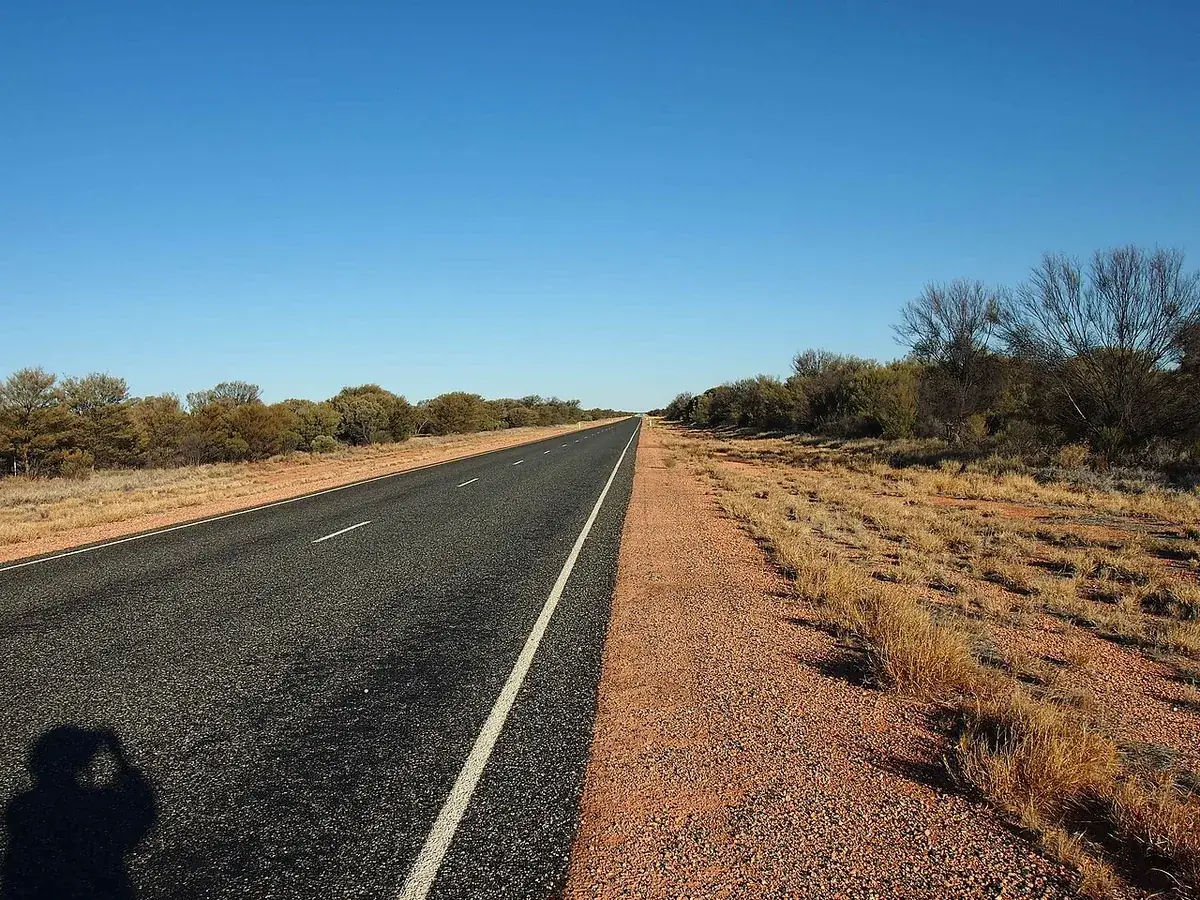
Plan fuel around the gaps, not around the towns. Fill up whenever you are at a bowser with more than half a tank left, because the next one may be closed, out of diesel, or further than you assumed. On remote routes, carry a jerry can and know how far your vehicle actually goes loaded, which is less than the brochure figure.
Water is the same problem with higher stakes. Carry drinking water separately from washing water, in containers you can lift, and refill at every reliable opportunity. Do not plan to find water in country where you have not confirmed a source.
Food is the third one. Assume shops are further apart and close earlier than you expect, and carry two days of food you would actually eat in an emergency.
Permits, parks and land you cannot just drive into
Large parts of Australia are not open access. National parks often need a pass and sometimes a booked campsite. Aboriginal land and pastoral stations need a permit, and driving in without one is both illegal and unwelcome. Some roads cross private leases.
Check this before you leave, not at the gate. Park websites publish closures, fire bans and seasonal road status, and they are the only source worth trusting on the day.
Wildlife and the hours you should not drive
Kangaroos, wallabies, wombats, emus and cattle are all on the road at dawn and dusk, and a strike at speed ends trips and sometimes worse. The safest rule on a long trip is to be parked before dusk and to leave after full light. If you must drive in the dark, slow down and accept that the day is going to be long.
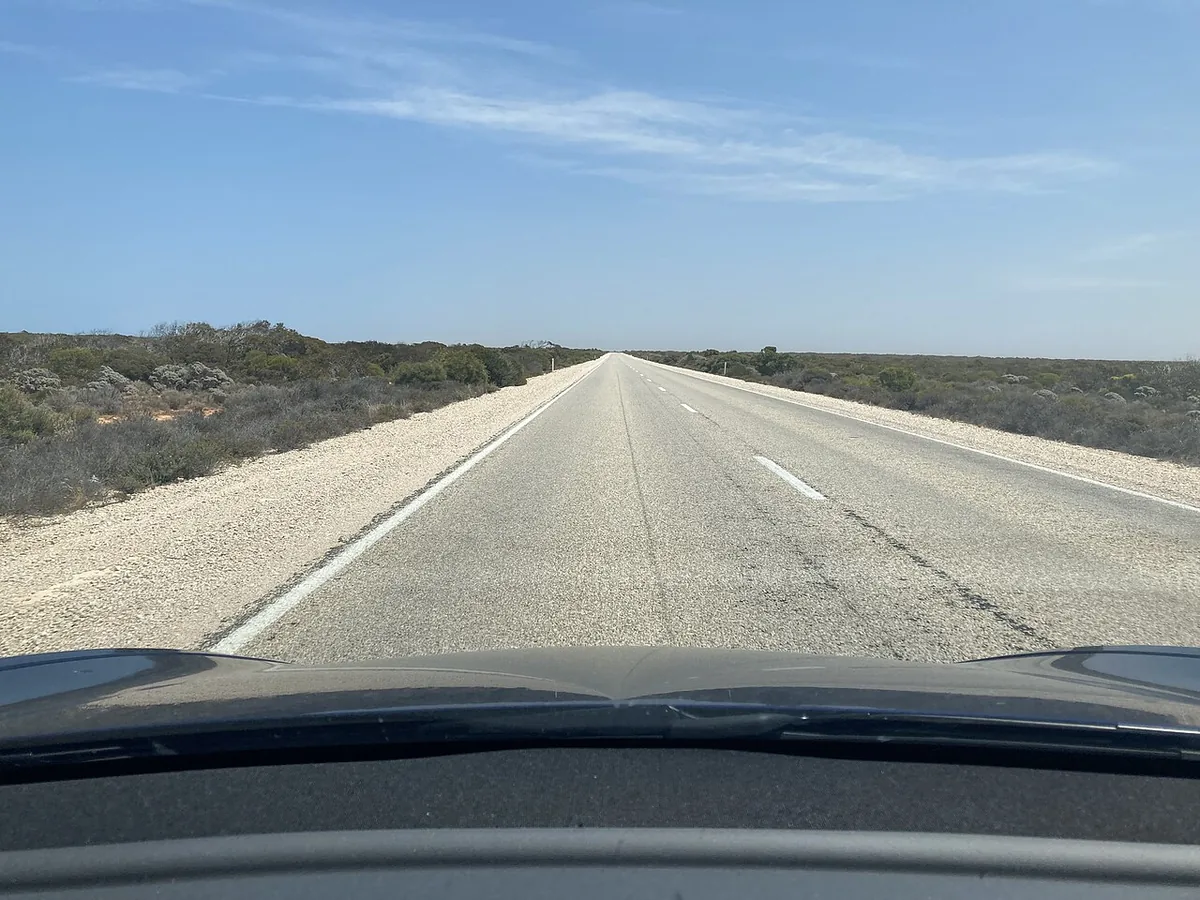
Fatigue is the other one. Long straight roads are hypnotic. Stop every couple of hours whether you feel like it or not.
The first week is a shakedown
Whatever you planned, the first week will reveal what you got wrong: the fridge that drains the battery, the bedding that is too thin, the storage that rattles, the water you cannot reach. Build a slow first few days into the plan so those problems surface near a town with a hardware shop, not in the middle of nowhere.
If you are still choosing a vehicle, it is worth comparing campervan hire Australia options by what they carry and what roads they are allowed on, rather than by price alone. The cheapest van that cannot legally go where you want to go is the most expensive mistake on the list.