The outback is not a harder version of a country drive. It is a different problem. The distances are longer than the map suggests, the services are further apart than the sign says, and the consequences of a small mistake are much larger because help is hours away at best.
None of this is a reason not to go. It is a reason to go prepared and to stop treating the drive as the boring part between destinations.
Define "outback" for your own trip
The word covers everything from a gravel road an hour out of a country town to the Canning Stock Route. The preparation is not the same.
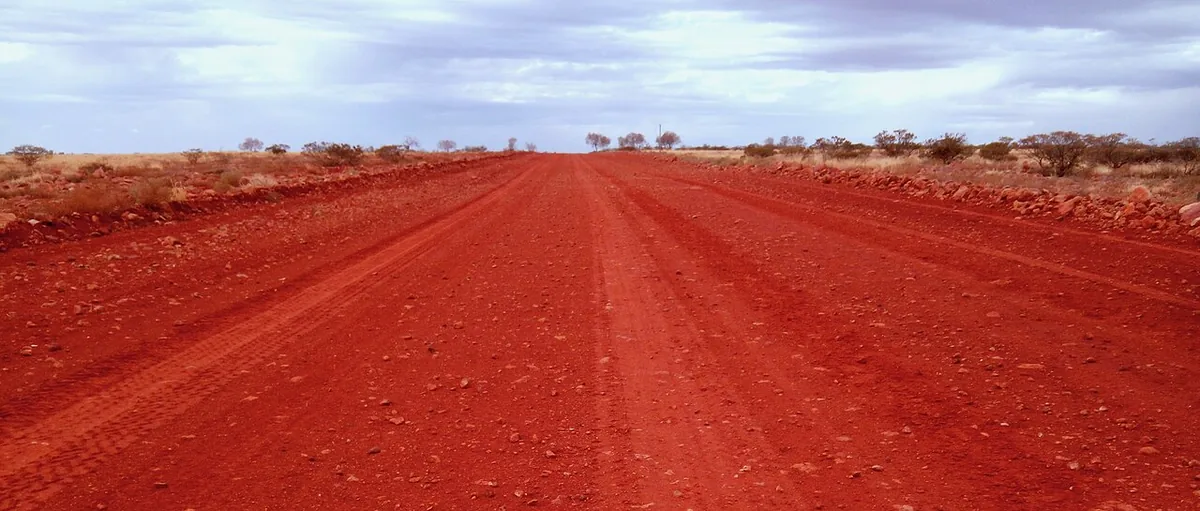
Be honest about which one you are doing. A sealed highway through the interior with roadhouses every few hours is outback motoring in the scenic sense. A station track with no traffic and no phone signal is a different category, and it needs a different vehicle, more water, and a plan for what happens if you do not arrive.
If you cannot describe the road surface, the traffic volume and the distance to the next fuel for each leg of your route, you are not ready to drive it.
Water: the number you should double
Carry drinking water for every person for several days, not for the drive. Vehicles break down, roads close, and a wait that was going to be two hours becomes an overnight.
Keep drinking water separate from washing water, in containers you can carry by hand, because at some point you will be carrying them. Do not rely on tanks alone — if a tank or pump fails you have nothing.
Electrolytes matter as much as volume in dry heat. So does shade: a tarp and poles are worth more than most gadgets.
Communications: three layers, not one
Mobile coverage in the outback is patchy and sometimes absent for long stretches. Plan on it failing.
- A UHF radio is how you talk to road trains, station traffic and other travellers. Learn the channels before you go and use them to ask about conditions ahead.
- A personal locator beacon or satellite messenger is what saves you when there is no signal at all. This is not optional on remote routes.
- A written itinerary left with someone who will actually notice if you do not check in. Tell them the route and the expected arrival, and agree when they should raise the alarm.
A satellite messenger also lets you send a message that you are delayed, which prevents an unnecessary rescue and the bill that comes with it.
Fuel: fill up before you need to
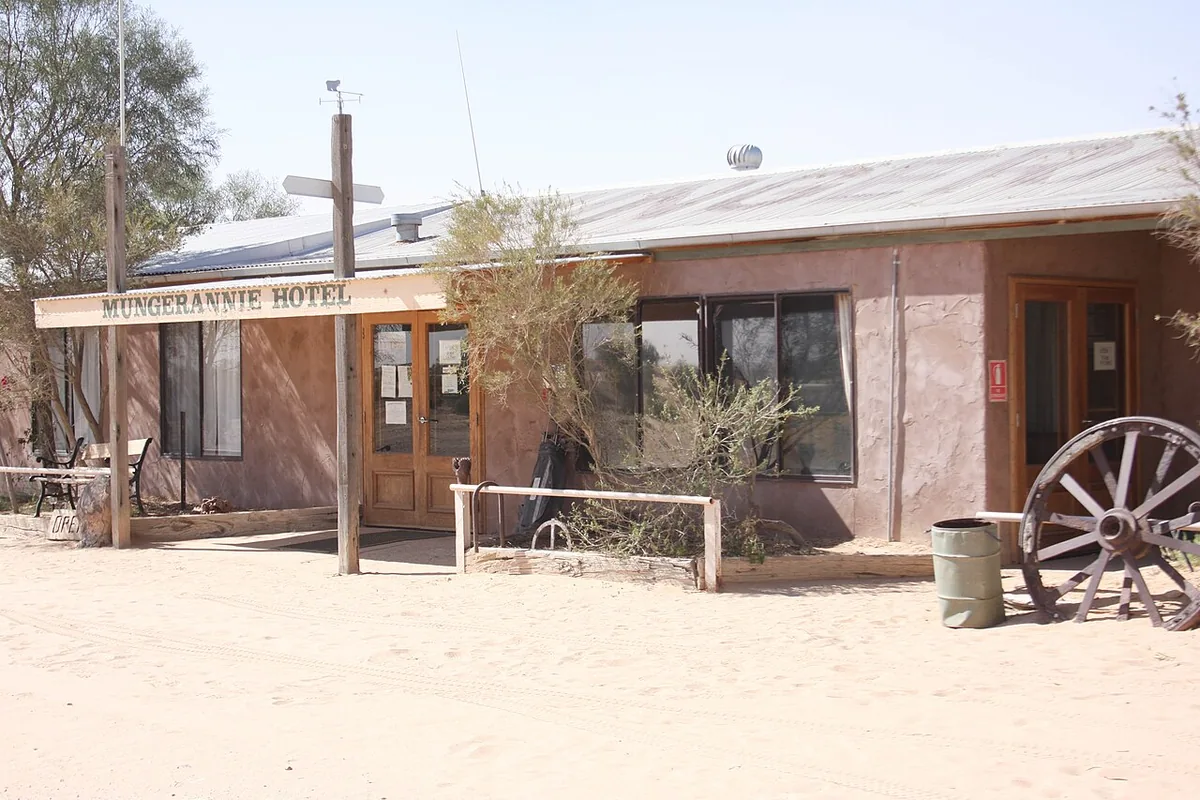
The rule is simple and people still break it. Fill up at every reliable bowser, even at half a tank. Know the distance to the next fuel before you leave the last one, and know whether it is open — remote roadhouses close, run out of diesel, and change hours with the season.
Carry a jerry can if your route has a genuine gap, and secure it properly. Loose fuel containers in a hot vehicle are their own hazard.
Diesel is more available than petrol in some remote areas, and the reverse is true in others. Check for your vehicle, not in general.
Road surfaces: read them, do not fight them
Corrugations shake vehicles apart. The instinct is to slow right down, which can make it worse. A steady moderate speed that keeps the tyres skimming rather than hammering is usually kinder, but it depends on the vehicle and the load. Reduce tyre pressures on long corrugated sections, and reinflate on bitumen.
Bulldust is fine powder that hides ruts and holes and gets into everything. Slow down, keep momentum, do not brake hard in it.
Floodways are the most dangerous feature on outback roads. They are dry most of the year and can be running after rain hundreds of kilometres away. Never drive into water without knowing the depth and the bottom. If it is flowing, turn around.
Crests and blind rises on unsealed roads hide oncoming traffic and livestock. Keep left, slow down, and expect someone coming the other way in the middle.
| Surface | The risk | How to drive it |
|---|---|---|
| Corrugations | They shake a vehicle apart, and slowing right down can make it worse | Hold a steady moderate speed that keeps the tyres skimming, reduce tyre pressures, then reinflate on bitumen |
| Bulldust | Fine powder that hides ruts and holes | Slow down, keep momentum, and avoid braking hard |
| Floodways | Dry most of the year, but can be running after distant rain | Know the depth and the bottom; if it is flowing, turn around |
| Blind crests and rises | They hide oncoming traffic and livestock | Keep left, slow down, and expect someone in the middle of the road |
Wildlife and the hours to avoid
Dusk and dawn belong to the animals. Kangaroos, cattle, emus and feral pigs are all on the road, and cattle in particular stand in it and do not move.
The practical approach is to plan your day so you are off the road before dark, and to start after first light. If you are running late, slow down and accept the delay rather than pushing through.
Heat, tyres and mechanical sympathy
Outback heat punishes tyres, batteries and cooling systems. Check pressures cold, check them again after a long hot run, and look at the sidewalls for damage after gravel.
Carry a working spare, a jack that fits the vehicle, and the knowledge to change a tyre yourself. On remote roads a second spare is not excessive.
Watch the temperature gauge. If it climbs, stop and let it cool rather than pushing to the next town.
Permits and country you need permission for
Large areas are Aboriginal land, pastoral leases or restricted access. Permits are required, they are usually free or cheap, and they are applied for online in advance. Some are issued per vehicle per entry, some per person.
Driving in without one is trespass, and it damages access for everyone who comes after you. Check the land tenure on your route before you leave.
If something breaks, stay with the vehicle
A vehicle is shade, water storage and a much larger object to find from the air than a person walking. Unless you can see help and are certain of the route, stay put, set up shade, ration water and use the beacon.
Walking away from a broken vehicle is the decision that turns an inconvenience into an emergency.
If you are choosing a vehicle for a route like this, match it to the surface and the load rather than the price. The campervan hire Alice Springs range includes vehicles built for sealed touring and four-wheel drives for the tracks, and the difference is the whole trip.